A segment for Image Forum Festival 2005's Tokyo Loop
Five stories, five maestros, five styles and one common denominator: maximum creativity. Studio 4°C, the coolest label on the planet, invites us for the second time to an exclusive reunion of a talents with a group film, full of freedom and ingenuity, that goes from Mahiro Maeda's classic anime, to Kazuto Nakazawa's intricate urban sketches, Shinya Ohira's bedlam of color and Tatsuyuki Tanaka's animated cyberpunk. And as if that wasn't enough, Koji Morimoto, the studio big boss, is charge of putting the icing on the cake with fantafabulous piece of abstract poetry that would make a VJ die of ecstasy. The party of the year.
The one-hundred-year-old Fujiya inn stands in the quiet region of Kyoto. Mikoto is standing in front of the Kibune river at the back of the building when she is called back to work. But two minutes later, she finds herself back at the river again. The whole inn seems to be stuck in a time loop!
It is 300 years into the future. Earth's environment had been devastated by mankind's own foolish plans and humankind is beleaguered by the sentient forests which they have awoken. The world balance is tipped when a young boy named Agito stumbles across a machine that glowed in a strange blue hue inside a forbidden sanctuary.
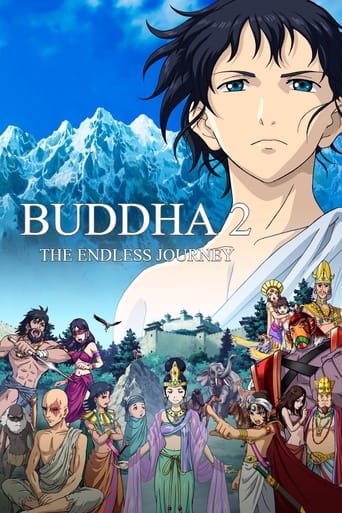
2500 years ago, in India, Siddhartha was born as a prince of the Shakya clan, but he gives up his position as a prince to see the world. He meets a strange boy named Assaji, who can predict the future, a monk with only one eye and Depa. Siddhartha continues traveling. Siddhartha is overwhelmed by the sufferings he witnesses around him. Meanwhile, Prince Ruri of Kosara begins his attack on the Shakya clan. Second Buddha movie from Tezuka Productions.
Tokyo, 2014: a city balancing on the razor's edge between financial prosperity and seismic destruction. It is a place where the lights are bright, the stakes are high, and where the threat of imminent destruction breeds crime like a disease. But for Gokuu Furinji, ex-cop and super-powered private detective, crime is money...
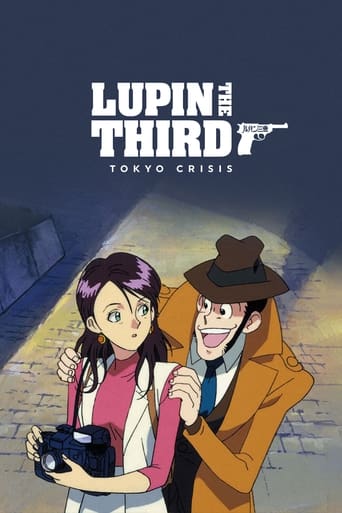
Lupin's plans to intercept two old glass photographic plates from being delivered to a mysterious art dealer named Mr. Suzuki misfires, and it doesn't help matters that Goemon and Jigen are suffering from... efficiency problems. Meanwhile, Inspector Zenigata has a new tag-along in the Lupin chase: the beautiful young reporter Maria. But what is Maria's connection to the mysterious Mr. Suzuki?
A traveler is confronted by spirits in an abandoned shrine; a story of honor and firefighting in ancient Japan; a white bear defends the royal family from a monstrous red demon; ragtag soldiers battle a robotic force in futuristic Japan.
After starting up their own teen magazine, Bratz girls Yasmin, Cloe, Jade, and Sasha fly to London to cover a rock concert.
Two recap specials that focus on Team Urameshi's matches in the Dark Tournament and four separate volumes focusing around one of the main characters; Yusuke, Kurama, Hiei, or Kuwabara.
A cafe owner discovers that the TV in his cafe suddenly shows images from the future, but only two minutes into the future.
Tezuka Osamu's most famous work "Jungle Emperor Leo" has been made into an animated version a number of times. In this theater version, Tezuka Osamu was able for the first time to depict the theme that "All life is equal" through Leo's self-sacrifice.
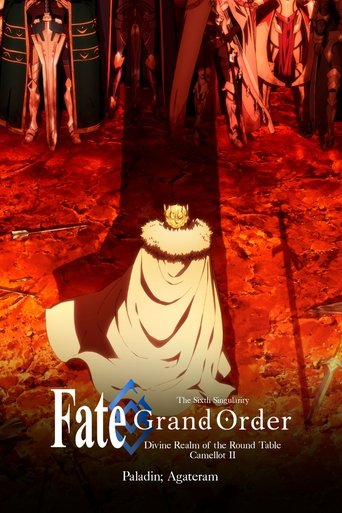
The second part in a two-part anime film project adapting the "Sixth Singularity - Divine Realm of the Round Table: Camelot" story from the game.
The seven short films making up GENIUS PARTY couldn’t be more diverse, linked only by a high standard of quality and inspiration. Atsuko Fukushima’s intro piece is a fantastic abstraction to soak up with the eyes. Masaaki Yuasa, of MIND GAME and CAT SOUP fame, brings his distinctive and deceptively simple graphic style and dream-state logic to the table with “Happy Machine,” his spin on a child’s earliest year. Shinji Kimura’s spookier “Deathtic 4,” meanwhile, seems to tap into the creepier corners of a child’s imagination and open up a toybox full of dark delights. Hideki Futamura’s “Limit Cycle” conjures up a vision of virtual reality, while Yuji Fukuyama’s "Doorbell" and "Baby Blue" by Shinichiro Watanabe use understated realism for very surreal purposes. And Shoji Kawamori, with “Shanghai Dragon,” takes the tropes and conventions of traditional anime out for very fun joyride.
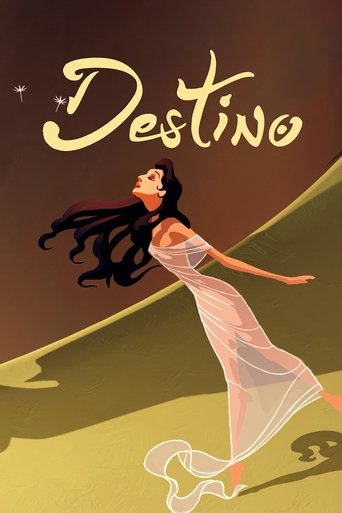
Short film to a song of love lost and rediscovered, a woman sees and undergoes surreal transformations. Her lover's face melts off, she dons a dress from the shadow of a bell and becomes a dandelion, ants crawl out of a hand and become Frenchmen riding bicycles. Not to mention the turtles with faces on their backs that collide to form a ballerina, or the bizarre baseball game.
Cis and Duo discuss leaving the real world while during a samurai sword fight. Part of the Animatrix collection of animated shorts set in the Matrix universe.
Iroha's life gets knocked off its orbit when Kaguya, a carefree runaway from the Moon, moves in and convinces her to perform in a virtual world together.
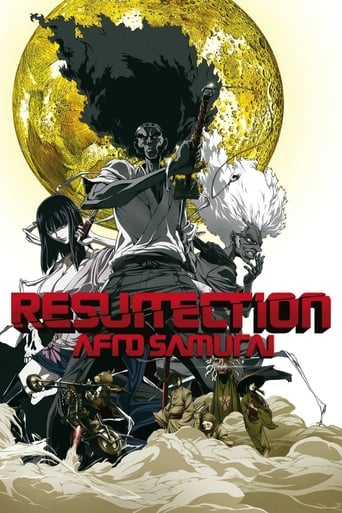
Afro Samurai avenged his father and found a life of peace. But the legendary master is forced back into the game by a beautiful and deadly woman from his past. The sparks of violence dropped along Afro’s bloody path now burn out of control – and nowhere are the flames of hatred more intense than in the eyes of Sio.
High school students Miho and Shouta are preparing for college entrance examinations. Miho comes from an island without even one cram school, while Shouta lives in Tokyo and works a part-time job. Both are striving to pass exams so they can enter college. The pair enroll in Z-Kai's correspondence education courses, and their lives cross before they realize it.
Activate your FREE Account!
You must create an account to continue watching