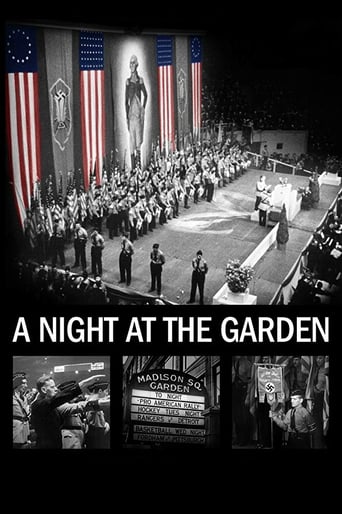
Archival footage of an American Nazi rally that attracted 20,000 people at Madison Square Garden in 1939, shortly before the beginning of World War II.
The children of "Happy Valley" were victimized for years, by a key member of the legendary Penn State college football program. But were Jerry Sandusky’s crimes an open secret? With rare access, director Amir Bar-Lev delves beneath the headlines to tell a modern American parable of guilt, redemption, and identity.
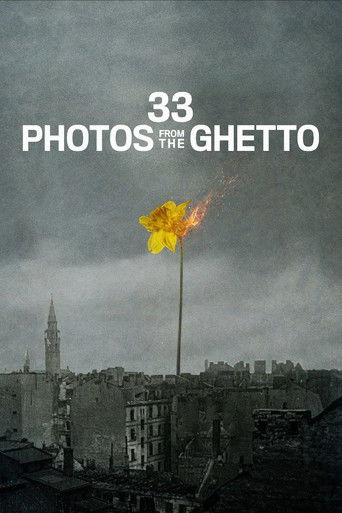
The film traces two families, one of which is Jewish, who preserved the images for decades but hadn’t brought them to light. 80 years after their creation, the son of the photographer finds the forgotten negatives and launches an investigation. With a team of researchers, archivists, and animators who use near-forensic precision to reconstruct locations and contexts, they trace the circumstances of those tragic days and the lives captured in each frame.
A documentary about the other side of yakuza society from Noboru Ando, the former leader of the group. Directed by Noboru Ando and Akira Shiizuka.
A tangle of stories in which aspirations and yearnings for freedom on the part of the white-collar worker are intertwined with those of Cristiano's personal and musical life in a discourse on our contemporary world.
Documentary about the current hustler scene in Berlin. Based on interviews with former and active prostitutes, the realities of male prostitutes in Berlin are treated. The film is objective, and records the hustler scene as a social Submilieu, which is characterized by both tragic fates, as well as everyday things and routines. Not only the direct sale of sexual services is discussed, but also other aspects associated with male prostitution: poverty, drug addiction, AIDS, crime, migration, love and partnership.
Wild Man Blues is a 1998 documentary film directed by Barbara Kopple, about the musical avocation of actor/director/comic Woody Allen. The film takes its name from a jazz composition sometimes attributed to Jelly Roll Morton and sometimes to Louis Armstrong and recorded by both (among others). Allen's love of early 20th century New Orleans music is depicted through his 1996 tour of Europe with his New Orleans Jazz Band. Allen has played clarinet with this band for over 25 years. Although Allen's European tour is the film's primary focus, it was also notable as the first major public showcase for Allen's relationship with Soon-Yi Previn.
Documenting the shared trajectory between Canada’s rise as a global basketball powerhouse and the circumstances that helped shape the country’s multicultural identity.
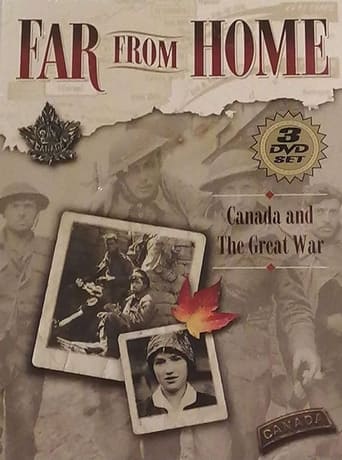
Canadian military accomplishments in the last hundred days of World War I, when the German Army was destroyed, surpassed those of any other army. The Canadian success was, in no small measure, due to Arthur Currie, whom a recent British historian describes as "the most successful Allied General and one of the least well known."
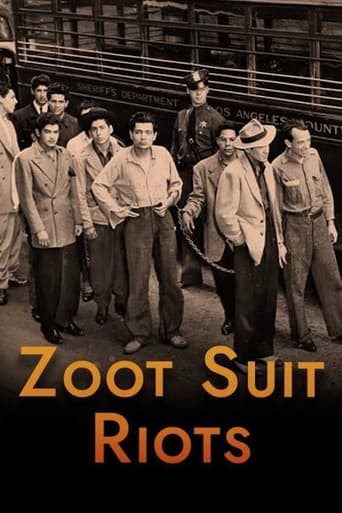
On August 1, 1942, a 22-year-old Mexican American man was stabbed to death at a party. To white Los Angelenos, the murder was just more proof that Mexican American crime was spiraling out of control. The police fanned out across LA, netting 600 young Mexican American suspects. Almost all those taken into custody were wearing the distinctive uniform of their generation: Zoot Suits. The tragic murder and the injustice of the trial that followed, coupled with sensational news coverage of both, fanned the flames of the racial hostility that was already running rife in the city. Within months of the verdict, Los Angeles was in the grip of some of the worst violence in its history.
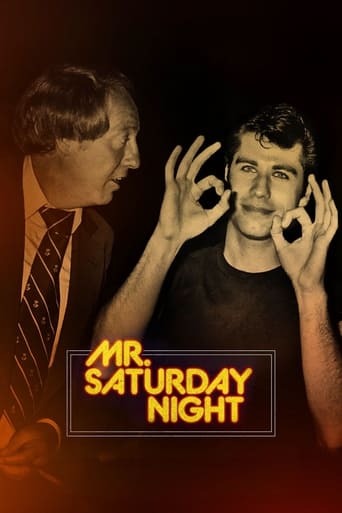
The untold story of Robert Stigwood, the impresario behind “Saturday Night Fever” and its record-breaking disco soundtrack.
After hiding in the mountains for a century, a Miao ethnic village choir is discovered by an outsider and becomes a national sensation. Two young Miaos and all the villagers must reconcile their faith, identity, and love with the real world of China.
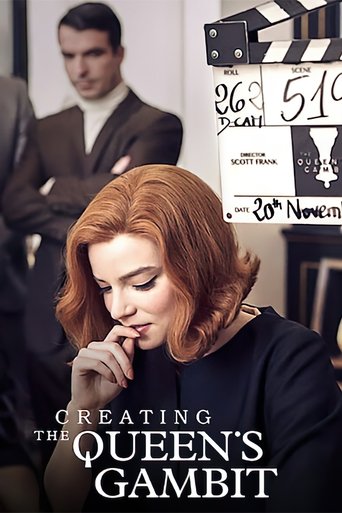
A fascinating character. Exquisite sets. A wig for every era. The stars, creators and crew reveal how the hit series about a chess prodigy came to life.
Discover the Geri Halliwell story in this behind the scenes look at her rocket ride to stardom as told by her friends and the men behind the cameras.
Film telling the untold story of John Lennon's 1971 album Imagine, exploring the creative collaboration between Lennon and Yoko Ono and featuring interviews and never-seen-before footage.
In February 2014, paramilitary groups fought against the police in the streets of Kyev and ousted President Yanukovych. They settled a new government. According to western media, they were the revolution heroes. But they are actually heavily armed extreme-right militias. The Right Sector, Azov or Svoboda created parallel irregular forces that easily go out of control. In Odessa, in May 2014, they were responsible for burning 45 people to death without facing any charges. How come western democracies haven’t raised their voice in protest? Most likely because these Ukrainian nationalist militias actually played a significant role in a much larger scale war. The Ukrainian revolution was strongly supported by the US diplomacy. In the new cold war that opposes Russia to the USA, Ukraine is a decisive pawn. A tactical pawn to contain Putin’s ambitions. “Ukraine, masks of the revolution” by Paul Moreira sheds light on this blind corner.
Four-time Emmy winner John Kastner was granted unprecedented access to the Brockville facility for 18 months, allowing 46 patients and 75 staff to share their experiences with stunning frankness. The result is two remarkable documentaries: the first, NCR: Not Criminally Responsible, premiered at Hot Docs in the spring of 2013 and follows the story of a violent patient released into the community. The second film, Out of Mind, Out of Sight, returns to the Brockville Mental Health Centre to profile four patients, two men and two women, as they struggle to gain control over their lives so they can return to a society that often fears and demonizes them.
As with so many early films by Sokurov, this film has two dates: the first is the date of its creation (the film was then banned), the second is the date of the final edition and legal public screening. The film consists of German and Soviet archive footage of the World War II — to be exact, from the end of the war. An attempt to make a large–scale documentary on this subject had been undertaken in the Soviet cinema of the 1960s: the film — “Ordinary Fascism” — by the outstanding Soviet film–maker Mikhail Romm had become a classic retrospective investigation of fascism. But Sokurov uses the expressive power of the documentary image in an absolutely different way. He does not amass materials for a large–scale picture of Nazi crimes.
Activate your FREE Account!
You must create an account to continue watching