Oscar-winning composer Ryuichi Sakamoto weaves man-made and natural sounds together in his works. His anti-nuclear activism grew after the 2011 Fukushima disaster, and his career only paused after a 2014 cancer diagnosis.
The maverick entrepreneur and multi-millionaire Hennie van der Most built a business empire from scratch. Now we follow him as he works on what is set to be his final project: creating a large-scale theme park on Rotterdam's Maashaven.
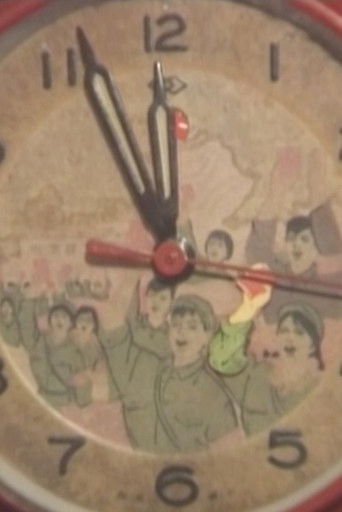
More preoccupied with "history" than Wu's other works, My Time in the Red Guards is a record of his fascination with the missed moment, Mao's Cultural Revolution. In 1966, the Red Guards ironically represented the official avant-garde, a movement carried forward by youth determined to become heroes of the Revolution. Wu interviews people who had joined the Red Guards as high schoolers, most now successful professionals, some Party members. The miscalculations and cruelties of this extreme cultural campaign are spread out before us, detailed by personal recollection and further illustrated by old agit-prop newsreels. Misgivings and fond remembrance vie for position as the interviewees seem to confuse the nostalgia of youthful action with the excesses of historical fact.
A documentary chronicling the shared experiences of prominent former child stars and the personal and professional price of fame and failure on a child.
An omnibus film consisting of 4 short films and a documentary related to COVID-19.
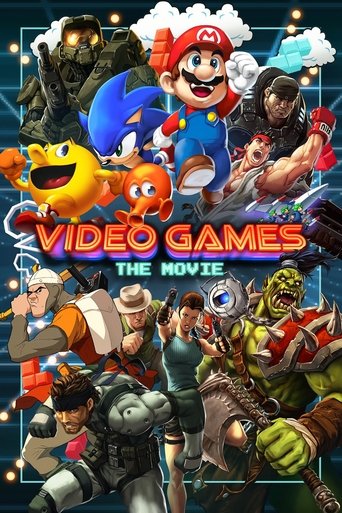
From executive producer Zach Braff and director Jeremy Snead, "Video Games: The Movie" is an epic feature length documentary chronicling the meteoric rise of video games from nerd niche to multi-billion dollar industry. Narrated by Sean Astin and featuring in-depth interviews with the godfathers who started it all, the icons of game design, and the geek gurus who are leading us into the future, "Video Games: The Movie" is a celebration of gaming from Atari to Xbox and an eye-opening look at what lies ahead.
The gripping story of legendary American actor John Travolta: his rise to stardom in the 1970s; his agonizing fall in disgrace in the 1980s; and his stunning artistic rebirth in the 1990s.
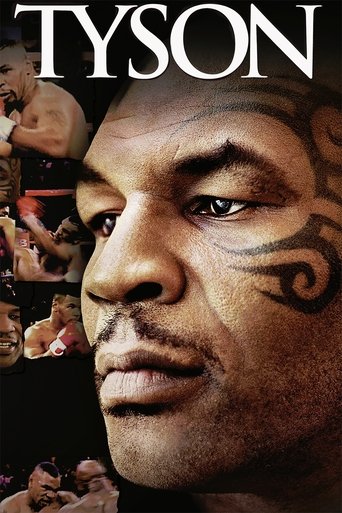
Director James Toback takes an unflinching, uncompromising look at the life of Mike Tyson--almost solely from the perspective of the man himself. TYSON alternates between the controversial boxer addressing the camera and shots of the champion's fights to create an arresting picture of the man.
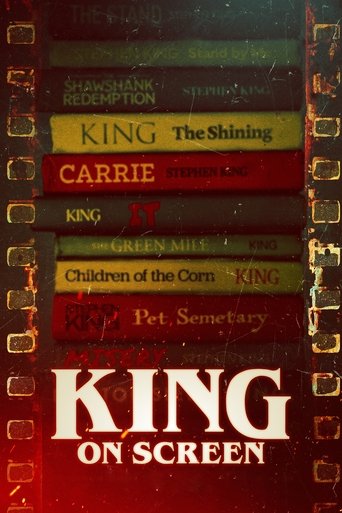
1976, Brian de Palma directs Carrie, the first novel by Stephen King. Since, more than 50 directors adapted the master of horror's books, in more than 80 films and series, making him now, the most adapted author still alive in the world.
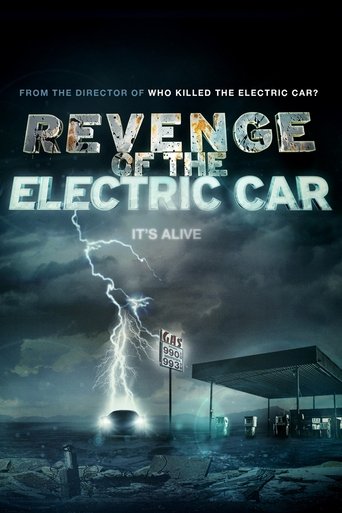
A sequel to 2006's Who Killed the Electric Car?, director Chris Paine once again looks at electric vehicles. Where in the last film electric cars were dismissed as uneconomical and unreliable, and were under multiple attacks from government, the auto industry, and from energy companies who didn't want them to succeed, this film chronicles, in the light of new changes in technology, the world economy, and the auto industry itself, the race - from both major car companies like Ford and Nissan, and from new rising upstarts like Tesla - to bring a practical consumer EV to market.
George Lucas and Steven Spielberg tell the struggles and the passion for making the Indiana Jones Trilogy.
Do you have to be miserable to be funny? More than sixty comedians—including stand-ups, writers, actors, and directors from the US, Canada, and abroad—take on this question, sharing anecdotes and insights with lively enthusiasm.
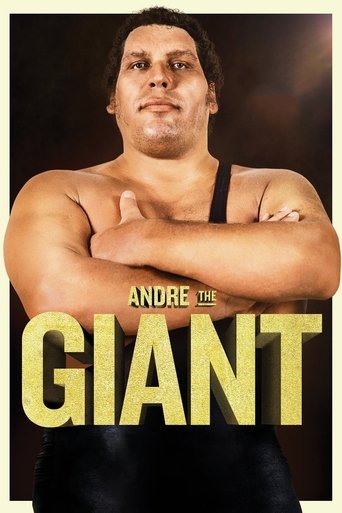
An ambitious and wide-ranging documentary exploring Andre’s upbringing in France, his celebrated career in WWE, and his forays in the entertainment world.
In 2015, Tsai Ming-Liang was once again invited by the Hong Kong International Film Festival to make the opening short film. This time, he selected Shibuya station in Tokyo as his main filming location and invited the famous Japanese actor Masanobu Ando to appear alongside Lee Kang-Sheng. They sleep separately at a capsule hotel and cleanse themselves at a public bath. Their fatigued bodies yearn for sleep but restless minds keep them for falling asleep. "No No Sleep" won the Best Director Award at the Taipei Film Festival.
Director Koreyoshi Kurahara chronicles a year in the lives of Flep and Leila, two foxes living in Hokkaido, Japan's northernmost island, where the freezing winters are long and the mild summers short. After Flep defeats another male fox to become Leila's lifelong partner, they mate and raise a litter of five kits. With their family complete, the group must contend with human interference in their habitat, such as chicken farms and snowmobiles, and struggle against the debilitating cold of winter. The animals experience both triumph and tragedy, as the law of this harsh land proves – only the strong survive.
The inside story of six fighters – six of the fastest motorcycle racers of all time – and of the fates that awaited them at the peak of the sport. It's the story of what is at stake for all of them: all that can be won, and all that can be lost, when you go chasing glory at over two hundred miles an hour – on a motorcycle. But this documentary is also an opportunity to understand the passionate relationship that links the pilots, the technical teams and the legions of fans to the spirit of GP Moto.
A look at America's struggles with war, class, race and women's rights. based on Howard Zinn's "A People's History of the United States."
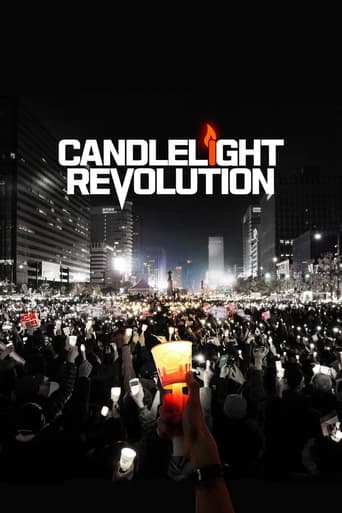
“What kind of person do you think former President Park Geunhye is?” Sohn Seokhee, a journalist, gives a clear and sharp answer that he “shares the common ideas that people in our country have.” That common idea has led millions to bring candles to the streets, correcting a thread of history that has gone awry, and gather a sense of hope among people. Candlelight Revolution portrays the voices of citizens from various generations, political figures of different parties, and the witnesses of an administration under improper influence. It is a documentary that identifies the genuine structure of politics and society by following how Park entered politics along with government records up until March 10.
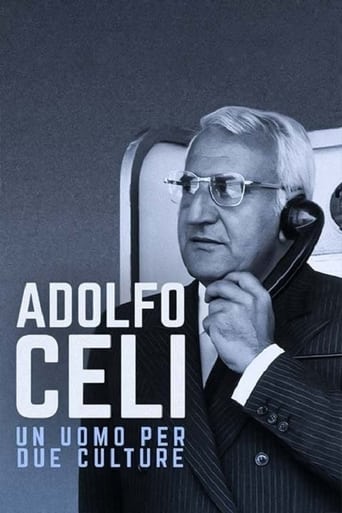
Created by his son Leonardo, this portrait of Adolfo Celi reconstructs his personal and artistic journey between Italy and Brazil. Through interviews, film clips, testimonials, photos, and extraordinary footage from the Celi family's personal archive, we will revisit the places that shaped his life.
Activate your FREE Account!
You must create an account to continue watching