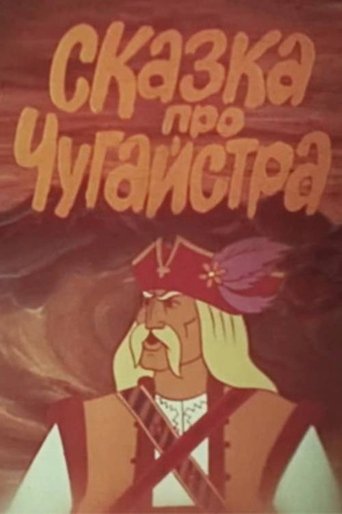
During the Great Patriotic War, in the occupied Hutsul village, a grandmother tells her grandchildren a fairy tale about the giant Chugaystra, the people's defender in ancient times. At night, a wounded partisan comes to their hut, and the children go to the forest to look for Chugaystra, deciding that only he can help the partisan and all Hutsuls...
Shortly before his death, Marek Edelman (1919-2009), former commander of the Warsaw Ghetto Uprising (1943) against the Nazi occupation, wonders about several basic themes of human existence in relation to the Shoah: how was it possible to enjoy love, tenderness, passion and lust while the whole world was crumbling and burning around.
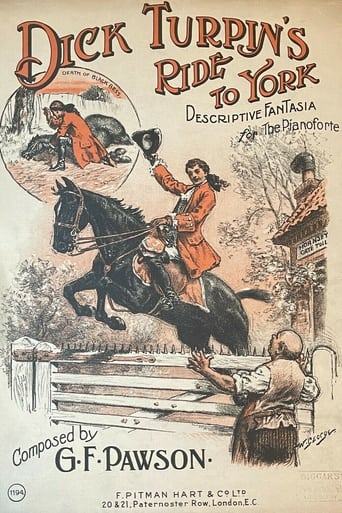
A highwayman rides to York to stop a lady marrying a usurper.
The story of a young poet who became a symbol for Finnish optimism and was subsequently forced underground during Tsar Nicholas II's oppressive dictatorship.
An analysis of The Magic Mountain, a novel by the German writer Thomas Mann (1875-1955), published in November 1924.
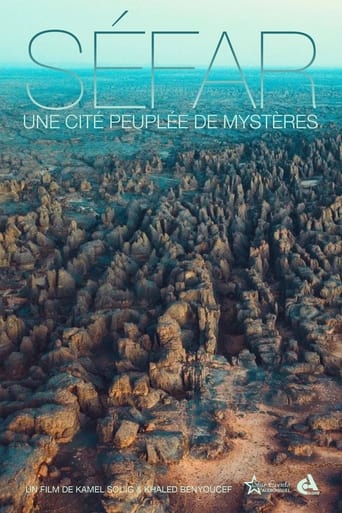
Séfar (in Arabic: سيفار) is an ancient city in the heart of the Tassili n'Ajjer mountain range in Algeria, more than 2,400 km south of Algiers and very close to the Libyan border. Séfar is the largest troglodyte city in the world, with several thousand fossilized houses. Very few travelers go there given its geographical remoteness and especially because of the difficulties of access to the site. The site is full of several paintings, some of which date back more than 12,000 years, mostly depicting animals and scenes of hunting or daily life which testify that this hostile place has not always been an inhabited desert. Local superstition suggests that the site is inhabited by djins, no doubt in connection with the strange paintings found on the site.
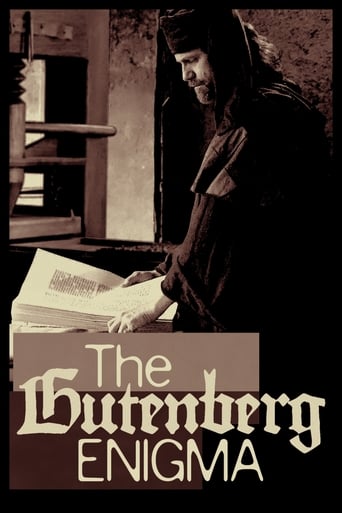
A portrait of the inventor of the letterpress, who was a key figure in the history of mankind, but also an enthusiastic inventor, a daring businessman, a tenacious troublemaker: the life of Johannes Gutenberg (circa 1400-68).
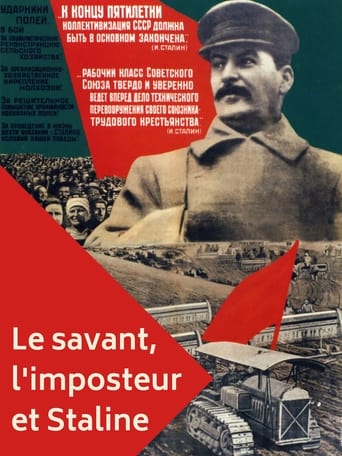
The documentary tells two very different human fates in the 1920s Soviet Union. Nikolai Vavilov was a botanical genius, Trofim Lyssenko was an agronomist who made great promises and fake inventions. Each of them tried to solve the country's nutritional problem, but only one succeeded.
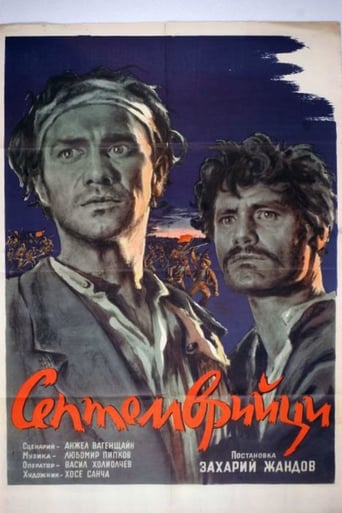
The film is dedicated to the uprising, which broke out in Bulgaria in September 1923. All characters, with the exception of the leaders of the uprising Georgi Dimitrov and Vasil Kolarov, are symbolic characters. The central figures, Stefan and Peter, impersonate the motive forces behind the uprising - the workers and the peasants. They are involved in worker's strikes, in the stormy events of the First World War and the Soldier's uprising in 1918. They also participate in the bloody clashes of the September uprising and suffer its defeat after they have seen too late the need for concerted action by communists and agrarians.
Once a vibrant part of American culture, drive-ins reached their peak in the late 1950s with almost 5,000 dotting the nation. Although drive-ins are experiencing a resurgence, today less than 400 remain. In a nation that loves cars and movies, why haven't they survived? April Wright's lovingly made documentary, filled with archival images of hundreds of open and closed drive-in theaters, interviews with theater owners, operators and cinema luminaries attempts to answer that question.
What Swiss director Stefan Schweitert did for accordion music and for yodeling (Accordion Tribe, Cinequest, 2005; Echoes of Home, Cinequest 2008) he now does for traditional Balkan music. This wonderful film is also a love story – and a door into a world of musical wonders.
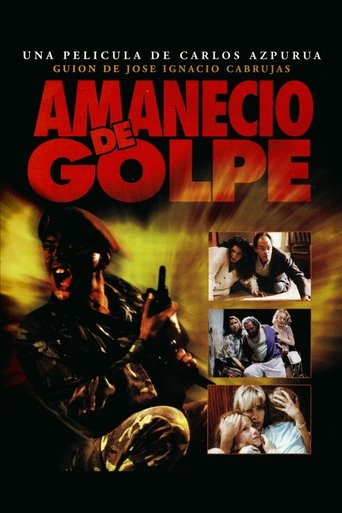
The film follows the events of the night of February 4, 1992 in Caracas, Venezuela. That night a group of military rebels staged a coup d'etat. Venezuelans found themselves as virtual prisoners. As the coup starts and fighting takes place from a military base which is in the center of the city's most affluent areas, with both luxury high rises and palatial mansions. The area of La Carlota provides a wealth of very interesting, often flamboyant and typical characters of the Latin America upper middle and upper classes. They are among the most affected. Various vignettes in these different characters' homes are developed. These people's reactions, lifestyles, vices, and humanity come out in a very honest fashion under duress.
An in depth look at Rochester, New York's LGBTQIA+ history. The documentary condenses over 375 hours of interviews and more than 100 participants into a 90 minute film to bring you through the journey of these men and women. It covers the first efforts at organizing in the 1970s, political funding battles and the contributions gay Rochesterians made at the outset of the AIDS crisis.
How only one man all at the same time painted the Mona Lisa, conceived ball bearing and gave the first clinical description of atherosclerosis? On the occasion of the 500th anniversary of his death, this documentary will answer these questions and much more, gathering clues thanks to research on the field and encounters with the most outstanding specialists on Leonardo Da Vinci. Travelling through time thanks to an imaginary museum, we will track back the Renaissance genius and give you to see Leonardo’s relentless ingenuity!
A look at the Sun, the star that revolves at the center of the Solar System, and its representation in art throughout history.
Faced with the relentless and unstoppable advance of the Soviet Red Army, from the spring of 1944 until the capitulation of the Third Reich in May 1945, the Nazis evacuated the labor, concentration and extermination camps, factories of pain and death which, during years of nightmare, they had established in the occupied eastern territories. Forced to travel enormous distances, thousands of people died along the way from hunger, thirst and exhaustion.
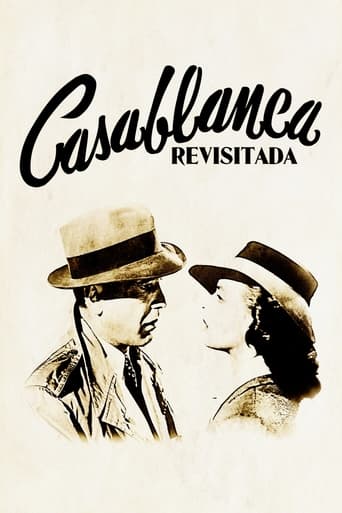
A lyrical and nostalgic analysis of how Casablanca, the mythical film directed by Michael Curtiz in 1942, has influenced both film history and pop culture.
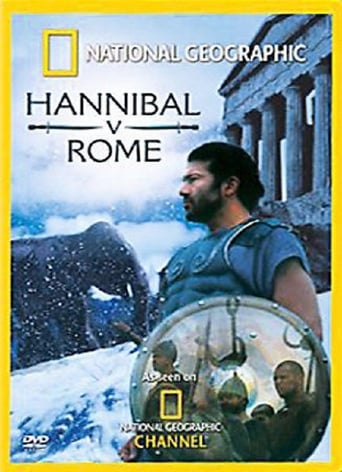
A documentary about Hannibal Barca - the general and ruler of New Carthage, who crossed the Alps in the fight with Rome. It covers the period from before the Punic Wars to the defeat of Carthage.
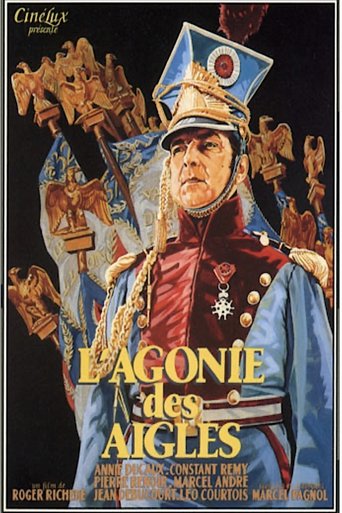
Under the regime of Louis XVIII. Years after Waterloo, Napoleon's loyal officers live in retirement on half-pay. Useless and idle, they have lost their prestige and keep meeting in the hope of the Emperor’s return. When Napoleon dies, they decide to plot the rise to power of Napoleon II.
Activate your FREE Account!
You must create an account to continue watching