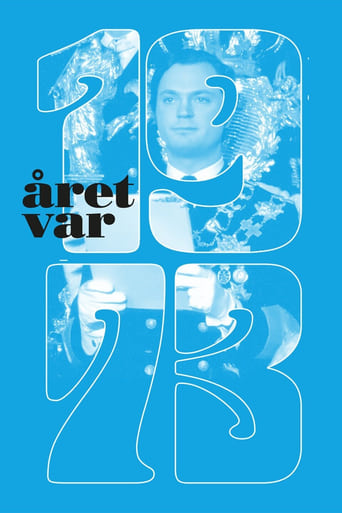
At the end of August 1973, a robber takes hostages at the Kreditbanken at Norrmalmstorg. A week or so later, on September 15, King Gustaf VI Adolf dies in Helsingborg's hospital and Sweden gets a new king: Carl XVI Gustaf. In Chile, the military takes power and the popularly elected president Salvador Allende is overthrown. That and much more in this column about the year 1973.
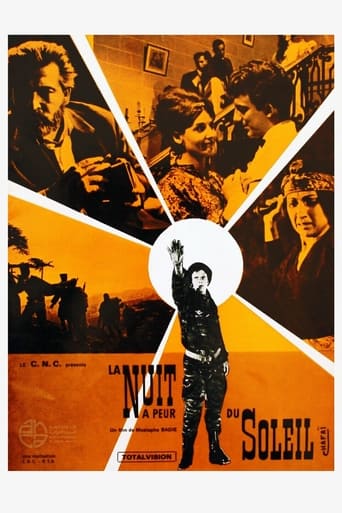
In a Latin American country, a rebel frees the prisoners of the local tyrant. Some traitors cause the death of many of his companions and he births the upcoming revolution.
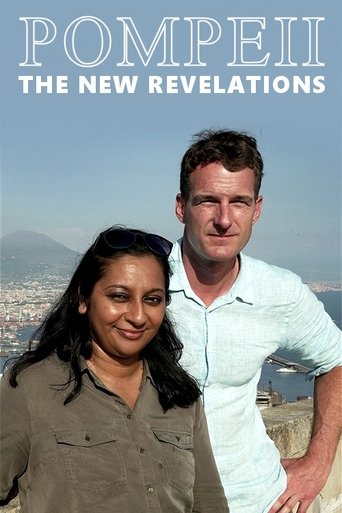
Archaeologist Raksha Dave and historian Dan Snow return to Pompeii to gain special access to a variety of new excavations, including two never-before-seen discoveries.
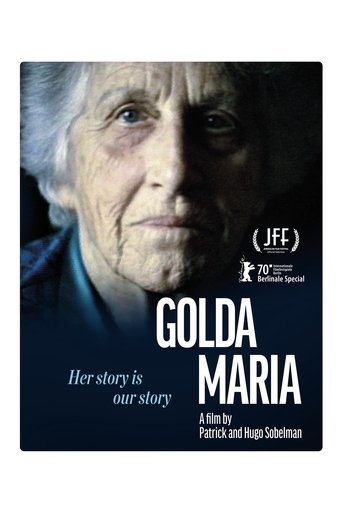
In 1994, film producer Patrick Sobelman recorded the testimony of his grandmother Golda Maria Tondovska, a Polish Jewish survivor of the Shoah.
Forever enshrined in myth by an assassin's bullet, Kennedy's presidency long defied objective appraisal. Recent assessments have revealed an administration long on promise and vigor, and somewhat lacking in tangible accomplishment. His proposals for a tax cut and civil rights legislation, however, promised significant gains in the months before his assassination. While maturation, as evidenced in the handling of the Cuban missile crisis, was apparent, the potential legacy of the New Frontier will forever be left to speculation.
Historical film in four scenes which retrace the returns, the progress and the outcome of the war of liberation in Algeria. The first painting, “The land was thirsty” describes aspects of injustice and colonial oppression. The second “The Paths to the Prison” recounts the sufferings of the people engaged in combat. The last two are the stories of two lives.
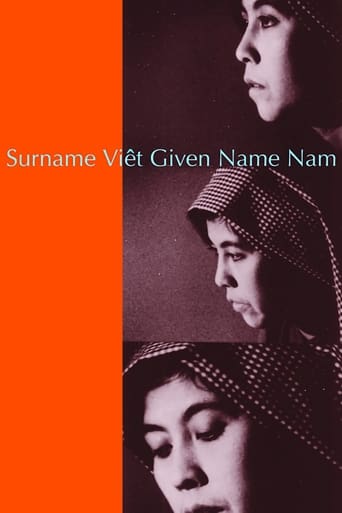
The film evolves around questions of identity, popular memory and culture. While focusing on aspects of Vietnamese reality as seen through the lives and history of women resistance in Vietnam and in the U.S, it raises questions on the politics of interviewing and documenting.
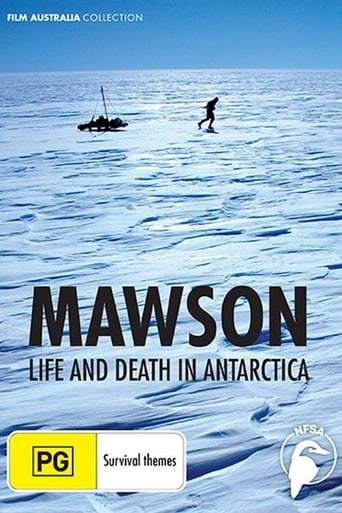
The Douglas Mawson Antarctic Expedition of 1912 is considered one of the most amazing feats of endurance of all time. Although his two companions perished, Douglas Mawson survived, but how? In a bold historical experiment, scientist and adventurer Tim Jarvis is retracing the gruelling experience, with the same meagre rations, primitive clothing and equipment to uncover what happened to Mawson physically — and mentally — as a man hanging on the precipice of life and death.
The Seediq tribe (Takasago in Japanese) of Taiwan is famous for its head-hunting rituals. A Chinese dignitary from Fujian, Wu Fong (1699-1766), tries to persuade the tribe to cease the rituals.
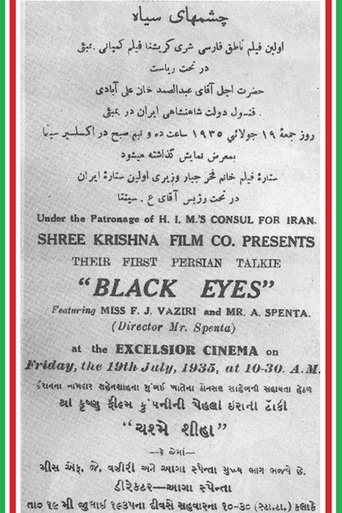
The story happens in Nader Shah era when he attacked India. At the very moment of the war in India and conquering Lahore, there is a romantic love going on between a girl and boy named Homa and Homayoun, which the war directly affects.
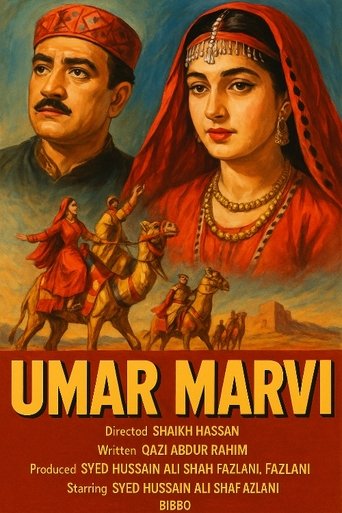
King of Umarkot, is looking for a bride but finds none to his liking. Phog mentions the unmatchable beauty of Marvi. Umar decides to check out Marvi for himself and immediately falls under her spell.
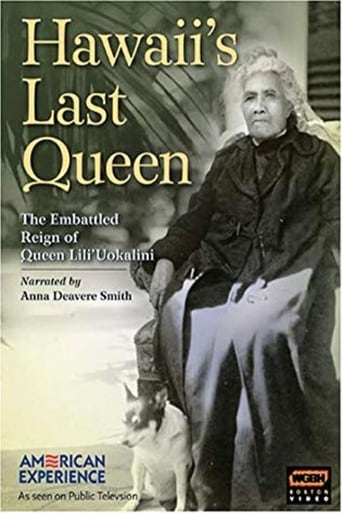
Honeymooners, tourists and surfers flock to Hawaiian shores every year, but life wasn't always serene in the tropical paradise. In the 1890s, the islands -- ruled by Queen Liliuokalani -- faced financial ruin thanks to colonial business interests and the U.S. government, which rescinded Hawaii's preferential sugar market position. "The American Experience" recounts the events and intrigues that resulted in the monarch's ouster ... at gunpoint.
Rossellini’s biopic of the postwar Christian Democrat leader, Alcide De Gaspari, who was responsible for keeping the Communists out of power in the years that followed the fall of fascism.
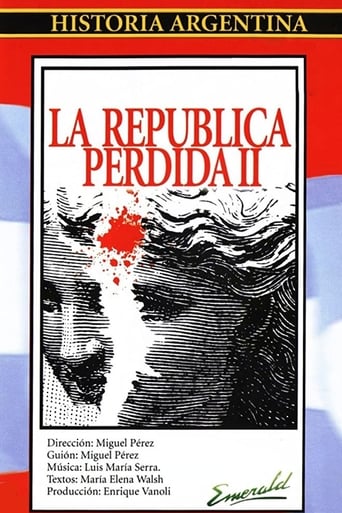
A history of Argentina's last military dictatorship (1976-1983). After "La Republica Perdida" was made, which covered 1930 to 1976, there was an important part of Argentina's history yet to be told, which was too recent to be covered by the first documentary. The first movie was made at the end of the last dictatorship. This second documentary covers this last dictatorship from 1976 to 1983.
The plot is based on the creation of an illegal Marxist printing house in Chisinau in 1901, which reprinted the newspaper Iskra and other underground literature.
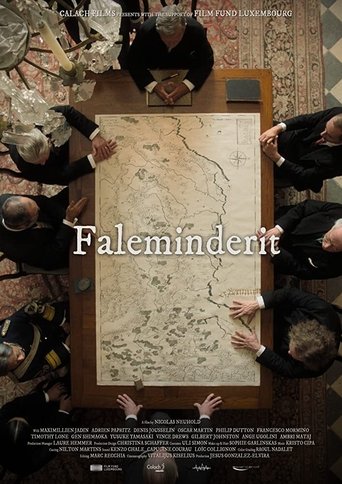
In 1921, Charles, a young Luxembourgish cartographer is sent to Albania as part of a border commission to gather information on the topography and the people of the region. The country has recently become independent, but it does not yet have clearly defined borders. Back in Paris, Charles gets to report to the Conference of Ambassadors. At first, he is overwhelmed by the impressive architecture and the intimidating grandeur of the event. However, he soon learns that the party of self-serving diplomats has little interest in the future of the people he has just met. With no representative of Albania even present, Charles feels the need to speak up for the young country. Despite breaking protocol in doing so, Charles shares an observation with the quarrelling diplomats that allows them to find a peaceful solution to the question of where to draw the urgently needed borders.
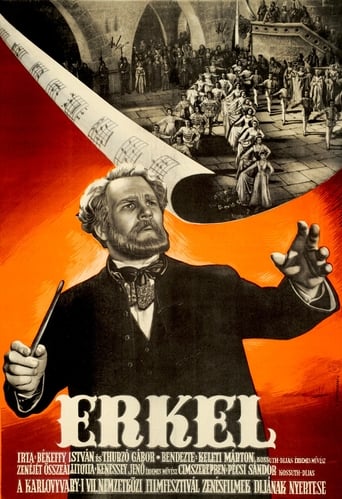
We have linguists, we have literary men, we have newspapers, actors, musicians, but we have no national opera!", lamented the champions of national revival in the middle of the last century. Hungarian music culture at home is limited to the performance of works by foreign composers. And the public demands Hungarian opera, and such a challenge is not easy to meet. So let's see who is up to the task!
In this documentary companion to CHARLIE'S COUNTRY, Australian actor David Gulpilil tells the story of when his people's way of life was derailed by ours.
1956 Indian Tamil-language historical comedy film
Activate your FREE Account!
You must create an account to continue watching