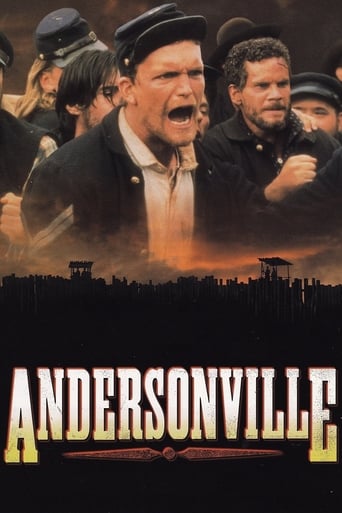
This lengthy docudrama records the harrowing conditions at the Confederacy's most notorious prisoner-of-war camp. The drama unfolds through the eyes of a company of Union soldiers captured at the Battle of Cold Harbor, VA, in June 1864, and shipped to the camp in southern Georgia. A private, Josiah Day, and his sergeant try to hold their company together in the face of squalid living conditions, inhumane punishments, and a gang of predatory fellow prisoners called the Raiders.
The true story of Assis Chateaubriand, the first magnate of communications in Brazil. Due to his influence during the late 1930s up to the early 1960s, he has come to be called 'the Brazilian Citizen Kane'.
The story of the legendary battle through the eyes of Jedrek - a boy who went through the hell of the gulag and left Russia with the Polish Army as one of thousands of polish orphans. Soon a decisive attack on a monastery located on the hills of Monte Cassino is to take place at the front - this spectacular battle will decide the lives of many soldiers and the fate of the Allied offensive in Italy, and will change Jedrek's life forever.
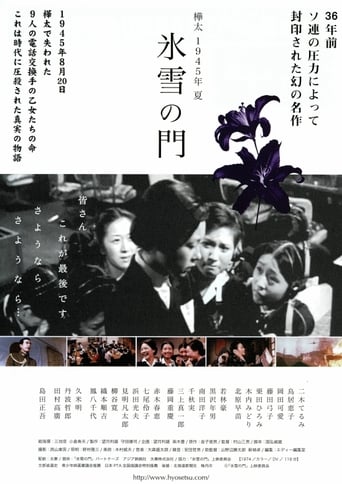
The film is set in Karafuto after the radio broadcast of the Imperial Rescript on the Termination of the War. On August 15, 1945, Soviet forces invaded Karafuto. On August 20, the postal telegraph office in Maoka suspended operations and nine of the twelve telephone operators committed suicide by taking potassium cyanide while the city was being invaded.
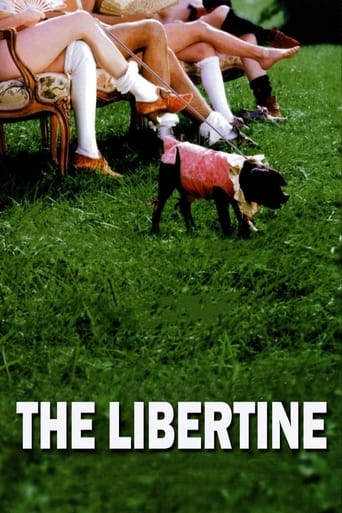
French philosopher Denis Diderot produces the first encyclopedia while indulging in 18th-century decadence.
A movie about Domenico Modugno, famous singer.
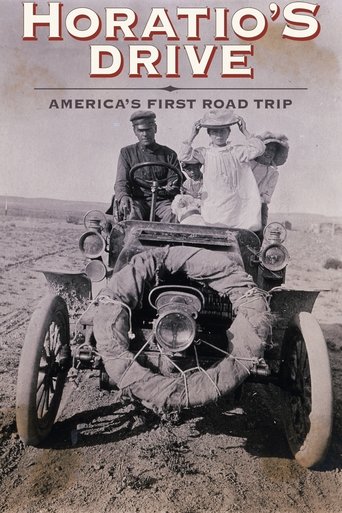
In the spring of 1903, on a whim and a fifty-dollar bet, Dr. Horatio Nelson Jackson set off from San Francisco in a 20-horsepower Winton touring car hoping to become the first person to cross the United States in the new-fangled "horseless carriage." Most people doubted that the automobile had much of a future. Jackson's trip would prove them wrong.
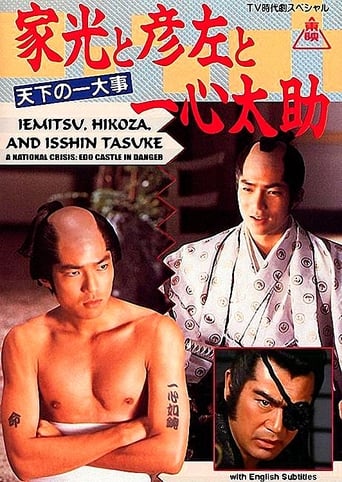
Yagyu Jubei, the finest swordsman in the land, is called upon to bare his blade to help Iemitsu keep his post. Meanwhile a fishmonger named Isshin Tasuke who bears an amazing resemblance to Shogun Iemitsu may be called upon to put his life on the line by acting as the Shogun's double. At the same time, the tragic story of Banzuiin Chobei and Mizuno Jurozaemon is unfolding.
At the heart of this true story is Damien Oliver, a young jockey who loses his only brother in a tragic racing accident, hauntingly reflecting of the way their father died 27 years earlier. After suffering through a series of discouraging defeats, Damien teams with Irish trainer Dermot Weld, and triumphs at the 2002 Melbourne Cup in one of the most thrilling finales in sporting history.
On October 2, 1968, a student uprising descends into violence after the Mexican government begins to use lethal force against the protesters.
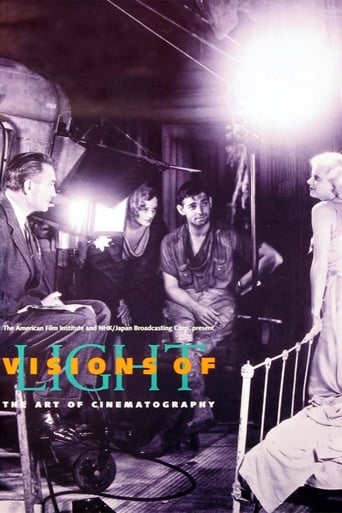
Cameramen and women discuss the craft and art of cinematography and of the "DP" (the director of photography), illustrating their points with clips from 100 films, from Birth of a Nation to Do the Right Thing. Themes: the DP tells people where to look; changes in movies (the arrival of sound, color, and wide screens) required creative responses from DPs; and, these artisans constantly invent new equipment and try new things, with wonderful results. The narration takes us through the identifiable studio styles of the 30s, the emergence of noir, the New York look, and the impact of Europeans. Citizen Kane, The Conformist, and Gordon Willis get special attention.
Based on the loosely autobiographical novel of the same name by Toko Kon. Ken Yamanouchi stars as Togo Konno, the titular bastard.
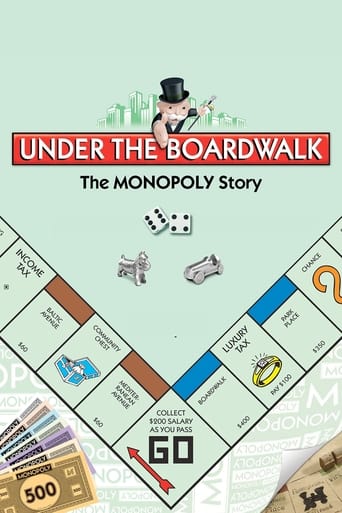
Under the Boardwalk: The Monopoly Story shows how the classic board game has become a worldwide cultural phenomenon and follows the colorful players who come together to compete for the coveted title of Monopoly World Champion.
The story of courtesan and dance-hall girl Emma Hamilton, including her relationships with Sir William Hamilton and Admiral Horatio Nelson and her rise and fall, set during the Napoleonic Wars.
Livestreamed from the penultimate show at the Winter Garden Theatre in New York City, this stage adaptation of George Clooney's 2005 film follows the story of journalist Edward R. Murrow's stand against Senator Joseph McCarthy's anti-communist witch-hunts in the early 1950s.
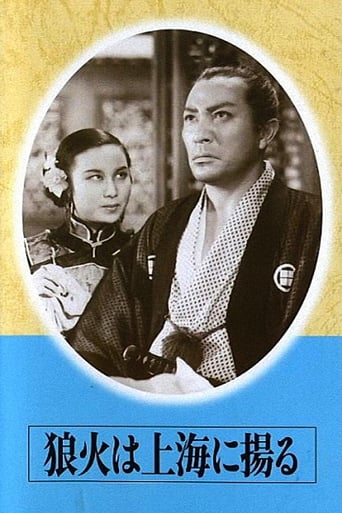
During the Taiping Rebellion of the mid-19th century, anti-Qing (Manchu) Chinese forces led by Taiping commander Li Xiucheng march on Shanghai. Although the Western powers are officially neutral, the British consul in Shanghai sides with the Qing imperial government, and counter to his own government's policy he retains American adventurer Frederick Townsend Ward to raise a mercenary force of foreigners in Shanghai and oppose the Taipings. Ward's force is routed, with heavy casualties, but since many of the casualties are British, the British army soon is drawn in on the side of the Qings. The only support for the Chinese comes from Japanese in Shanghai and anti-imperialist demonstrations in Japan. A family drama plays out against this historical background. After a Chinese home is destroyed by careless British shelling, killing the father and crippling a daughter, the surviving son vows revenge but begins to see that his true friends may be the Japanese.
Kotoji Akame (Naoto Takenaka) is a shabby, middle aged low-ranking samurai of small stature. One day, in a drinking contest, he misses sending his lord off as he leaves Edo for Kuju. Released from service for this blunder, Akame becomes a wandering samurai. He goes on to steal lances from many feudal lords' processions. For Furuta, suffering defeat is out of question. To protect his domain and family, he takes it on himself to meet Murase and proposes an alliance between the Wako, Fuki and Ushizu domains. With the fate of the feudal families in their hands, Furuta and Murase pursue Akame. Each with something to protect, the men fight desperately over the lances.
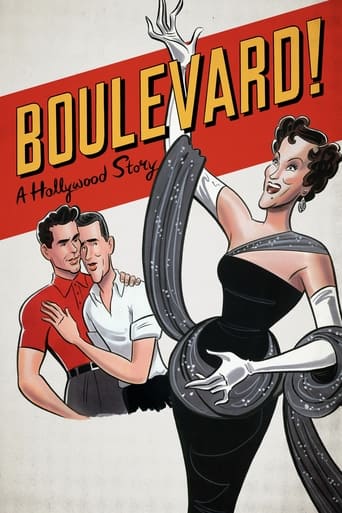
In the mid-1950s, Dickson Hughes and Richard Stapley, young composers and romantic partners, are hired by legendary silent film star Gloria Swanson to write a musical based on her film Sunset Boulevard, directed by Billy Wilder in 1950.
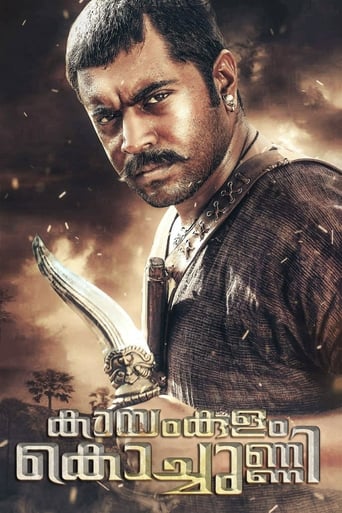
The life of Kayamkulam Kochunni, a famed highwayman who robbed from the rich and gave to the poor during the British Raj in the early 19th century Central Travancore.
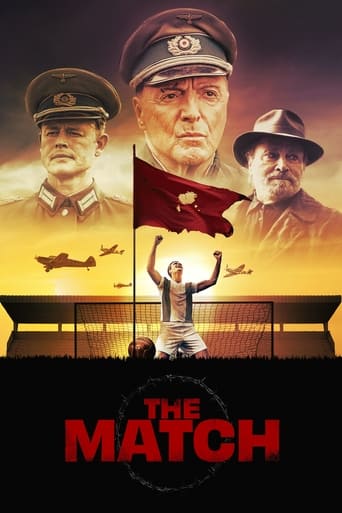
Inspired by true events from the spring of 1944 when the Nazis organized a football match between a team of camp inmates and an elite Nazi team on Adolf Hitler's birthday. A match the prisoners are determined to win, no matter what happens.
Activate your FREE Account!
You must create an account to continue watching