A cult called Wakwak headed by Papa Mundo is ready to kill and be killed to fight for their beliefs. It is a religious battle for their leader, clad in priest's robes, who they believe has supernatural powers to extinguish life out of anyone. Outnumbered, Lt. Cary Altamonte's group fights for the safety of the civilians. The situation unfolds in a battle of faith.
"O Corneteiro Lopes" is a story of love and courage. The city of Salvador is under siege by Brazilian troops, however, they lose strength in the course of battles. The Portuguese Luiz Lopes, alongside the Brazilian army, contrary to the orders of General Labatut, changes the fortunes of the Battle of Pirajá.
In the storm is a Mexican film of the year 1980 directed by Fernando Vallejo. The film is about the time of La Violencia in Colombia. Vallejo wanted to make the film in Colombia, however he found numerous obstacles to film it in the country so he decided to do it in Mexico with Mexican actors and recreating the Colombian landscapes in that country.
In 1942, more than 8,000 Jews were arrested on 16 and 17 July and sent to the Vélodrome d'Hiver sports center in the 15th district, a stone's throw from the Eiffel Tower, before being deported. The expression "Vel d'Hiv round-up" has become part of our collective memory, to the point of becoming the main memorial reference point for France during the dark years. Based on research carried out in unpublished or rarely explored archives, this film retraces the history of this roundup as experienced by hunted Jews and police trackers, from its planning in the Vichy offices to its hour-by-hour unfolding in the streets of Paris.
World War II. The anti fascist youth attracted broad masses of the people on the football fields turning these sport events into manifestations against the occupiers. Such were the matches between the amateur team "Shprefeja" and the fascist teams. Entering the field with the conviction that they will beat the fascist team at all costs, the Albanian players and its supporters turn the sport field into a battlefield.
The city of Lambèse is the scene of torture, both physical and moral, for the resistance fighters of the Algerian War. In the form of a fictional account adapted from the novel "Le camp" by Abdelhamid Benzine, the conditions in the special camps of the colonial army, where we accompany a group of detainees, in their daily life animated by violence are depicted. are former Nazi officers, whose mission is to abandon all resistance, and all ideological faith, through humiliation and drudgery.
Continuing their exploits against the Yugoslav National Liberation Army, the Ballists attack an echelon of wounded warriors led by Dr. M. He takes the wounded to a nearby town. Aware that the justice is on the side of Doctor M., Ramadan, son of one of the Ballist leaders, joins him and contributes to defeat of the Ballists.
The film consists of three parts. The first one is about a harmonious family that will be separated because of the existing situation. Little Aram carries the tragedy of the separated family. In a day, his entire childhood ends. The reason is one thing only… In the second part of the film a feminine touch is evident by Astghik’s character. One step and peace turn to war in a day, that’s when she loses her friendship, her love, and the idol. The third film tells about a 14-year old Tevanik who becomes part of the war activities. During the fights and as a result of his inability to put an end to a beauty, moments become decisive for Tevanik
The social storm after World War I divides the people. In the eye of the storm are three brothers fighting for the lower classes, each in his own way. Waldo the blacksmith wants a world revolution by power and violence. Ernst the typographer is convinced that knowledge and understanding, enlightenment and education is the way to go. And Kurt the ethereal watchmaker sees society as a malfunctioning clockwork that can be fixed by a simple yet drastic intervention. (Stumfilm.dk)
As the Polish Army continues its march into Berlin corporal Naróg is tasked with delivering important documents to the staff headquarters.
The second chapter of director Ismael Rodríguez's series about Pancho Villa. Several stories about the life and death of the famous mexican revolutionary general.
A historical account of military policy regarding homosexuality during World War II. The documentary includes interviews with several homosexual WWII veterans.
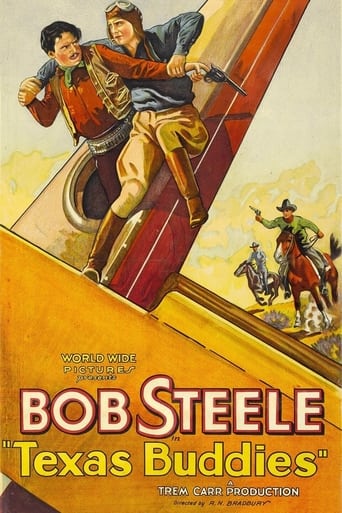
Kincade and Blake cause a mail plane carrying a payroll to make a forced landing in the desert. When they try to get the money, prospectors Ted and Si drive them away. With the pilot shot, Ted takes over as pilot figuring another attempt will be made and this time the Sheriff will be there.
Forest workers need protection from bugs.
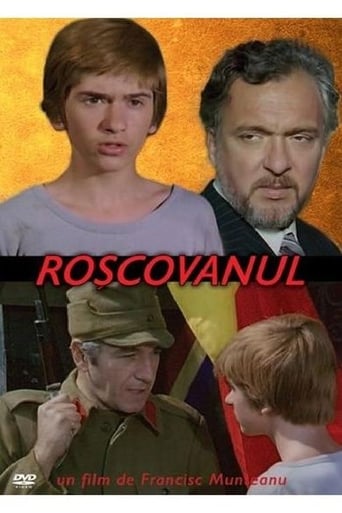
During the summer of 1944, while Romanians turn weapons against Nazis, Mihai, an orphan teenager whose parents died in a bombing, tries to enlist in order to fight in the front line but he discovers that former police commissioner Potra tortured and beaten prisoners, including his father, who was political detained. Mihai will fight to bring Potra in front of the justice.
The greatest secret of the Second World War has remained a mystery for the last 80 years: a Jewish Communist, Sandor Rado, led a spy network that proved essential to the victory of Allied Forces. Rado received details of strictly confidential strategies from the highest echelons of the Nazi State through Rudolf Roessler, a dedicated anti-Nazi he'd only known as code name "Lucy." Aided by key German industry leaders, Roessler transmitted timely information from high-ranking collaborators within the German army headquarters. Despite their achievement, Rado, Roessler and their sources remained unacknowledged heroes until today. Thanks to the recent declassification of secret archives, we are now able to step behind the scenes of this incredible story.
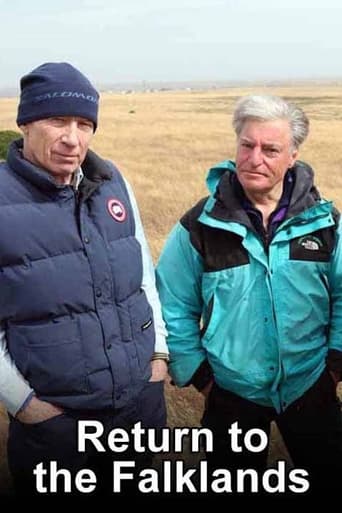
To mark 30 years since the Falklands War, this documentary follows three men back to the islands. For veteran Simon Weston, the journey is an opportunity to experience some of the stunning wildlife on Sea Lion Island.
How did Nazi Germany, from limited natural resources, mass unemployment, little money and a damaged industry, manage to unfurl the cataclysm of World War Two and come to occupy a large part of the European continent? Based on recent historical works of and interviews with Adam Tooze, Richard Overy, Frank Bajohr and Marie-Bénédicte Vincent, and drawing on rare archival material.
Activate your FREE Account!
You must create an account to continue watching